


Upper Mustang Trek

Trip Duration
15 Days
Group Sizes
2-10 People
Transportation
Tourist van or bus/plane
Destination
Nepal
Max. Altitude
4,210m
Nature of Trip
Trekking
Best Season
Mar – Oct
Activities

Difficulty
Moderate
Meals

Start & End Point
Kathmandu
Accommodation
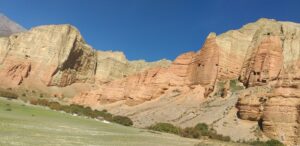
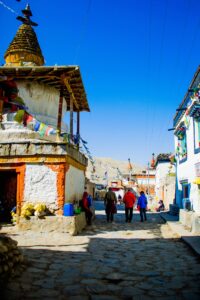
The region north of Kagbeni Village is generally referred to as Upper Mustang. It is steeped in Tibetan culture and history. Today, many Tibetans maintain that Upper Mustang is more like ancient Tibet than Tibet itself. The ancient Kingdom of Mustang was attached to Tibet in the 14th century when its first feudal king colonized the area. Mustangs retained its identity, as an autonomous dynasty throughout the centuries with its walled capital city, Lo Manthang, and with their own King. Today though– Jigme Prabal Bista is not officially recognized by the Nepali government as King, the people still treat Jigme Prabal Bista with the honor and respect due a king and the King and the people still remain ethnically Tibetan. Still somewhat restricted (special permits are required) the trek to Lo-Manthang (3730 m) refers to the arid Tibet-like region at the northern end of Kali Gandaki.
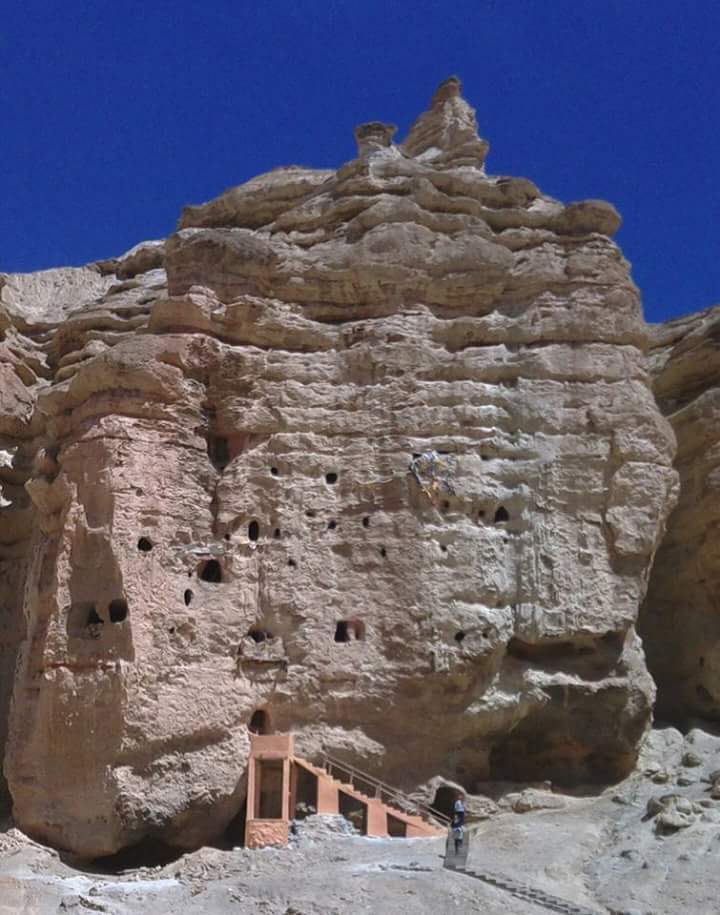
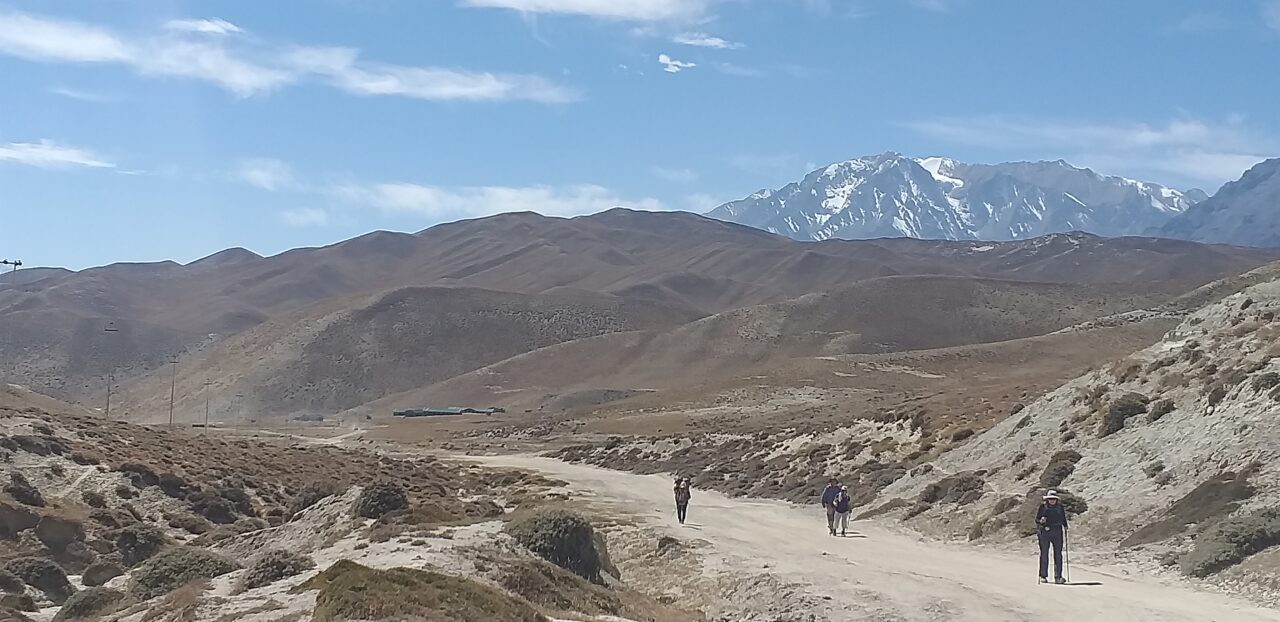
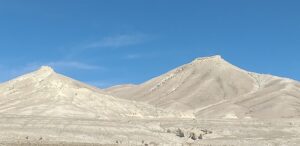
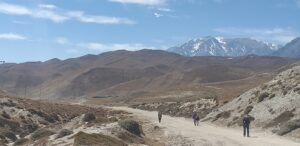
The trek to Lo- Manthang is through an almost barren landscape with its many stark mountains, deep canyons, and red plateaus. Strong winds often sweep across plateaus and mountains in the afternoon and usually subsiding at night. It was annexed by Nepal in 17 century, but the king of Nepal was so impressed with Upper Mustang and its king that it was allowed to become a vassal kingdom. 14th century monasteries still remain active. Tucked away among the cliffs one may see some of the ancient cliff dwellings where villagers often found refuge from marauding bandits or where monks simply sought meditation and removal from society. As you survey the rugged yet beautiful landscape your eyes will be drawn to the amazingly crystal blue skies that are simply unparalleled anywhere. Often described as the Hidden Kingdom, Nepal’s Mustang presents one of the last intact vestiges of Tibetan culture and lifestyle virtually unchanged in centuries.
Trekking to Mustang is a journey beyond the Himalaya but not beyond the Himals. (The word Himal refers to all mountains that remain snow capped year round.) The Mustang Himals, at over 6200 meters, are higher than the European Alps! As we make are way beyond the Himalayas and up the Kali Gandaki valley the trek passes through red stone cliffs, deep canyons and isolated oasis of emerald green villages where the swiftly flowing streams and rivers converge. It is in these areas of convergence we find that the Loba (Lowa), or “South” people have built their villages. In most of these villages, relatives (princes) of the Loba King still continue to have a great deal of influence in their communities. Finally as you reach the famed walled city of Lo Manthang lift your eyes beyond and you may catch a glimpse of the twin castles on the hills beyond. Look a bit to the west and you will see the Mustang Himals.
In Lo Manthang you may want to try some of the famous bowls of homemade Thenduk soup or if you are a bit more daring try some Tibetan butter (salt) tea. The tea tastes a lot like chicken soup. After visiting the teashops and variety shops in Lo Manthang you may want to plan an extra day to visit the cave dwellings of Chossar where villagers escaped Tibetan marauders centuries ago. You can count on your trip in Upper Mustang to the Hidden Kingdom to be a memorable one!
After picking up from the airport, we will arrange a tourist van to drop to the hotel. Then you can enjoy your time in Kathmandu. Kathmandu is an ancient city rich in Nepali culture mostly the original inhabitants of Newari people. We will guide you base on your time in Kathmandu.


After breakfast, we will take a van/jeep to Pokhara. Its 200km distance and it takes around 7-8 hours of drive. We drive along Trisuli river and then Marsyangdi river. Pokhara is at an altitude of 800m from sea level. Pokhara is one of the most beautiful city in Nepal. We can see the Himalayans to the north and we stay very close to Fewalake, a beautiful lake where you can enjoy the sunset and some refreshments.


Kagbeni is a beautiful village settlement with incredible landmarks, including the Kag Choden monastery. It is the gateway to Upper Mustang. The people living in this village are known by Varagyunba.
After breakfast, we set off to enter Upper Mustang! The trail takes us along the Kali Gandaki River where the wind will challenge us as it whistles up the valley gorge. At Tangbe Village we notice how the houses are white-washed, set among fields of buckwheat and barley. Apple orchards also dot the landscape. Following a ridge, we reach the village of Chele.
Today the hiking becomes a bit harder as we cross the Taklam La pass (3,624m) and the Darjori La pass (3,735m). But there are amazing mountain views and intriguing caves along the way to keep our minds off our hard-working legs. The trail descends into Samar Village from where we walk to a ridge and down another steep trail on to Syangmoche.
Today there is another big pass, the Yamada La, to cross (3,850m) as well as chortens and interesting villages with their barley fields to peek at. Trekking through forests we then have another pass to cross. Nyi Pass is 4,010m but from here we descend down to Ghami where we spend the night. Ghami is a large village for this area and is beautifully located and surrounded by fields.
Today’s trek starts off over rough and sometimes slippery ground as we descend to a suspension bridge over the Ghami Khola. The trail takes us passed mani walls (stone-built walls with Tibetan mantras carved into the stones) and over the Charang La Pass (3,870m).
At the top of the Charang Chu canyon lies the village of Charang. This village also has a fortress and red gompa to the east of it. There is plenty of time to explore after lunch!
Dropping down into a canyon we cross a river and ascend to the Lo La pass (3,950m). From the pass we get our first look at the historic and beautiful village of Lo Manthang.
This walled village is the traditional home to the King of Lo and is still the scene of many interesting and colourful Buddhist festivals. The surrounding mountains – Nilgiri, Tilicho, Annapurna I and Bhrikuti Peak at to the atmosphere of the place.
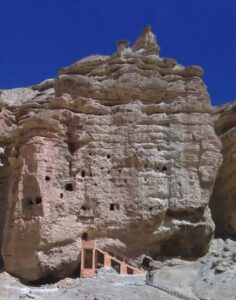
Today we get to explore some of the mysteries of Upper Mustang. A short trek to the area of Chhoser is the beginning of a day you will not forget! Here we find what is known as the Jhong Caves or even Sky Caves.
What these are five-storey high caves built into the side of cliffs. Researchers are still puzzling as to who built these caves and why. It is assumed they were used as burial chambers, hiding places, places of meditation and later, monasteries.
But no one really knows the origins of these amazing caves. We can explore some of these caves, taking a packed lunch with us so we can enjoy the atmosphere of the caves, lunar-like landscape and mountains while relaxing also. Then we head back to Lo Manthang were we overnight again.
Today is a longer trekking day but as usual, there is plenty of interesting things to see on the way! Gyakar Village is home to the century-old Ghar Gompa which has stunning rock paintings. Here you must make a wish, as is tradition. We have time to explore the gompa before heading on to Dhakmar.
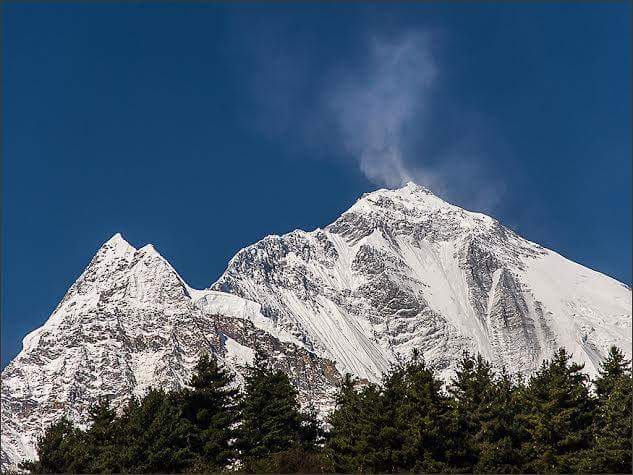
There are normally very strong winds on this part of the trail so we start early in the morning to descend through a dry plateau and some agricultural fields to reach the village of Ghiling. Although a challenging and tiring day because of the wind, we get great views of Dhaulagiri and Nilgiri to compensate.
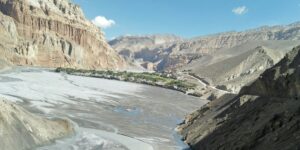
After breakfast, we continue our trek toward the village of Chhuksang. Our journey will take us over rugged mountains and hills. We will hike to Tetang, Chhuksang’s higher town nestled between two peaks. It is sheltered from the ferocious winds that rage across the Kali Gandaki valley on regular basis.
Today we say goodbye to Upper Mustang and enter the lower regions (or Lower Mustang as it is also called) of the district at Jomson. On this, our final trekking day, we will have lunch at Kagbeni and perhaps this time explore the little monetary and look fondly up the Kali Gandaki gorge to where we have spent the last 10 days – the Kingdom of Lo. Our trek has in fact, rejoined the Annapurna Circuit Trek as we head from Kagbeni to Jomsom.
Today we rise early to catch the morning flight to Pokhara. The mountains seem to have taken on a new meaning to us now that we have seen them from all angles.
After checking into the hotel in Pokhara you are free to enjoy the city and do a bit of shopping at Lakeside. With its vibrant bars and nightlife perhaps you wish to celebrate the end of your trek with a few drinks and a bit of dancing – Nepali or Western club style! Or simply enjoy the lights over Fewa Lake.
After breakfast, we depart Pokhara and drive to Kathmandu via the Prithivi Highway.
Once in the city, you have to explore Thamel, do some more shopping, relax with a massage, or enjoy a cup of coffee in one of the towns’ many cafes and restaurants. In the evening, we will enjoy a farewell meal to commemorate the successful conclusion of our voyage.
1925 US$

From the moment I arrived until my departure, I felt well taken care of. The knowledgeable guides shared captivating stories, and historical anecdotes, and ensured that I had a deep understanding of Bhutan's culture and heritage.
 Verified Buyer
From the moment I arrived until my departure, I felt well taken care of. The knowledgeable guides shared captivating stories, and historical anecdotes, and ensured that I had a deep understanding of Bhutan's culture and heritage.
Verified BuyerFrom the moment I arrived until my departure, I felt well taken care of. The knowledgeable guides shared captivating stories, and historical anecdotes, and ensured that I had a deep understanding of Bhutan's culture and heritage.
Verified Buyer1925 US$


 Write a Review